
Why the Best Time to Visit Ireland is the Shoulder Seasons
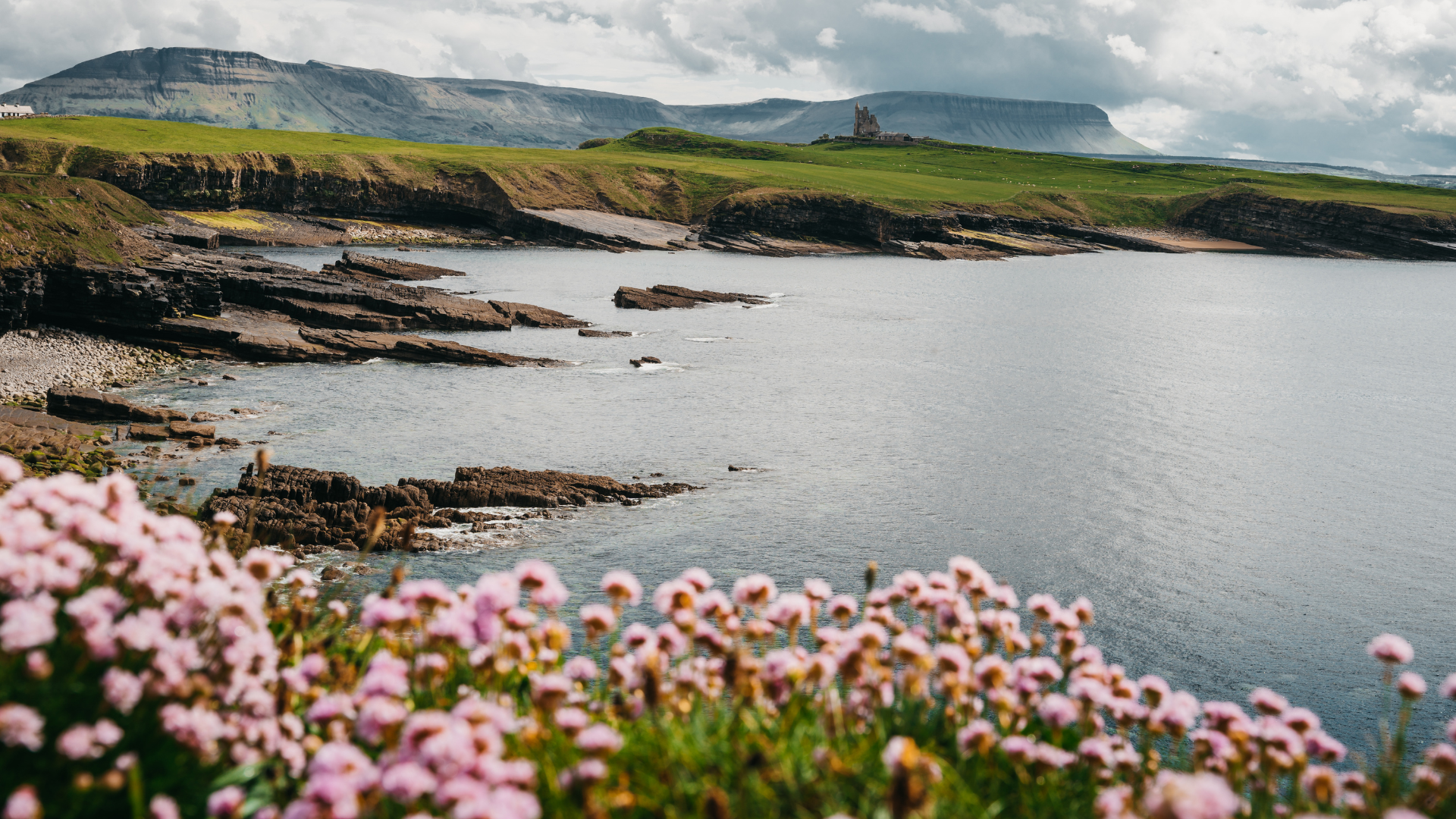
View of the Coastline and the Classiebawn Castle in Sligo, Ireland
Ireland is not one of those destinations you turn to for guaranteed great weather. The Emerald Isle is only so green because it is so well-watered. Instead, Ireland is a place you travel to for culture, music, ‘good craic’, and epic landscapes that somehow shimmer even on the wettest days. And if the sun does shine, well then aren’t you lucky!
Nevertheless, summer is the most popular time to visit. The crowds descend during those high season months and the Wild Atlantic Way experiences the rare traffic jam or two. And while summer in Ireland can be wonderful if and when the weather holds (this summer has been a corker), there is a lot to be said for visiting Ireland in the months either side of it.
Welcome to the shoulder season.
So, when is Ireland's shoulder season?
Generally speaking, Ireland's shoulder seasons fall from March/April to May and from September to October/early November. I like to think of it as just before and just after the clocks change, so you aren’t getting completely short-changed on daylight hours. The sweet spots between the darker winter months and the height of summer.
The days are still long enough for exploring, the landscapes are wild and colourful, and there is a bit more breathing room across the country, with fewer crowds and often better value accommodations and experiences than at the height of summer. For the right traveller, we'd argue it's one of the best times to see Ireland.
So, what are the main benefits of travelling in those months?
1. You'll experience a more local side of Ireland
Ireland isn't a country that needs to be rushed. The best moments happen when you have time to linger: walking an empty stretch of coastline, turning down a boreen that you find leads to a hidden lake, having tea and sandwiches with a local brewer while you wait for the rain to pass, or sitting beside a fire to hear a story or two, told for the locals rather than something spun for tourists.
Those moments are harder to find when you're travelling along with the crowds. Stop into a small producer, craftsperson or family-run business when they're less rushed and there may be more time for conversation. More often than not, those conversations lead to more local recommendations, if not at the very least a tale to take home. Because Ireland isn't just about what you see. So much of what makes travelling here special comes from the people you meet along the way.
2. It's easier to be spontaneous
We're big believers in a well-planned trip. We're equally big believers in not planning every minute of it.
One of the joys of travelling through Ireland is leaving room for the unexpected. Travelling in the shoulder season gives you a little more freedom to do exactly that. With less pressure to prebook every restaurant, attraction and experience, your days don't need to feel quite so regimented. There is more space for spontaneity, whether you want to add to the adventures, or enjoy the space to relax and soak it all in.
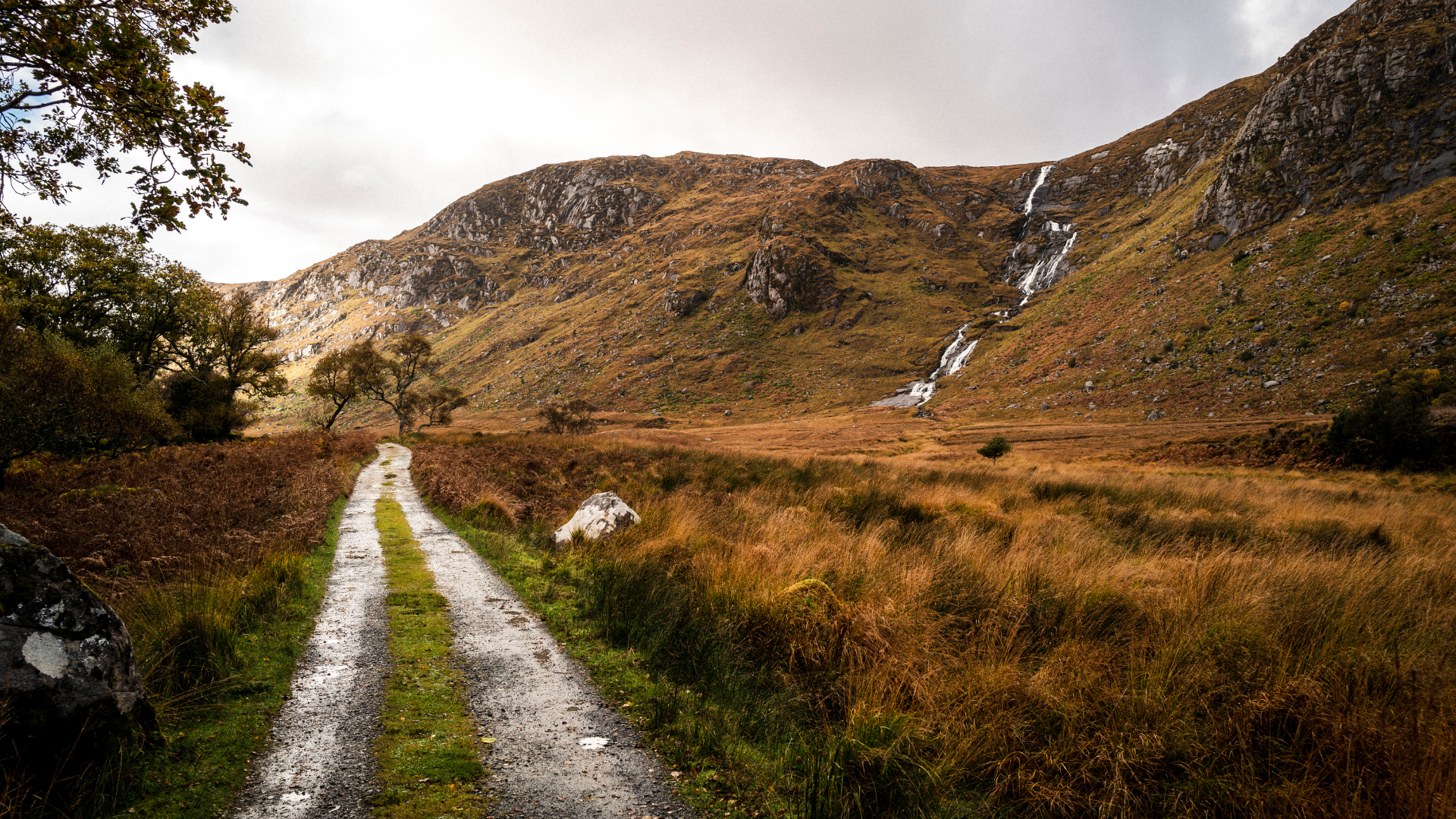
Glenveagh National Park, Donegal
3. Ireland suits a little weather
We're not going to promise you sunshine, but we wouldn't promise it in July, either. Ireland's weather is famously changeable, and the shoulder seasons can give you a bit of everything. Bright, crisp mornings, lashing rain, dramatic clouds and sudden bursts of sunshine, often all in one day, if not within the same hour. But here's the thing: Ireland wears weather well.
There is something particularly atmospheric about walking through the Burren under a brooding sky, watching Atlantic waves roll into the west coast, or arriving back at a country house to a roaring fire after a blustery afternoon outside. Ireland is an island of temperate rainforests, and as the name suggests, they do take on a magic of their own in the rain.
Pack layers, bring a waterproof and lean into it. You’ll see a magical and mystical side of Ireland many miss for fear of getting wet.
4. The landscapes are spectacular
Spring and autumn each bring their own unique magic to Ireland’s landscapes.
In spring, the country bursts into life, and you can practically see the grass grow right before your eyes, as it’s watered by rain then blasted by sunshine every few minutes. The Burren, home to an extraordinary collection of wildflowers, is carpeted in a kaleidoscope of colour, while deep green wild garlic grows along the trails. Forests burst with bluebells, and the puffins return to the shores, while basking sharks begin appearing off the atlantic coast. Newborn lambs scatter the hillsides and the native Irish hares become easier to spot in the meadows.
By autumn, the landscapes begin to change again. Woodlands turn copper, red, and gold, mornings become crisp and red deer appear like mythical creatures through the mist around the lakes, their rutting roars echoing through the fog. Autumn is the best time to see the starling murmurations, grey seal pups are bing born, and humpback whales can be spotted along the shores. Pubs light their fires, and as Ireland is the home of Halloween, stories turn to the thinning veil between this world and the otherworld as winter approaches.
If your idea of Ireland involves colourful landscapes, wildlife spotting, long walks and somewhere cosy to retreat to afterwards, both seasons are difficult to beat.
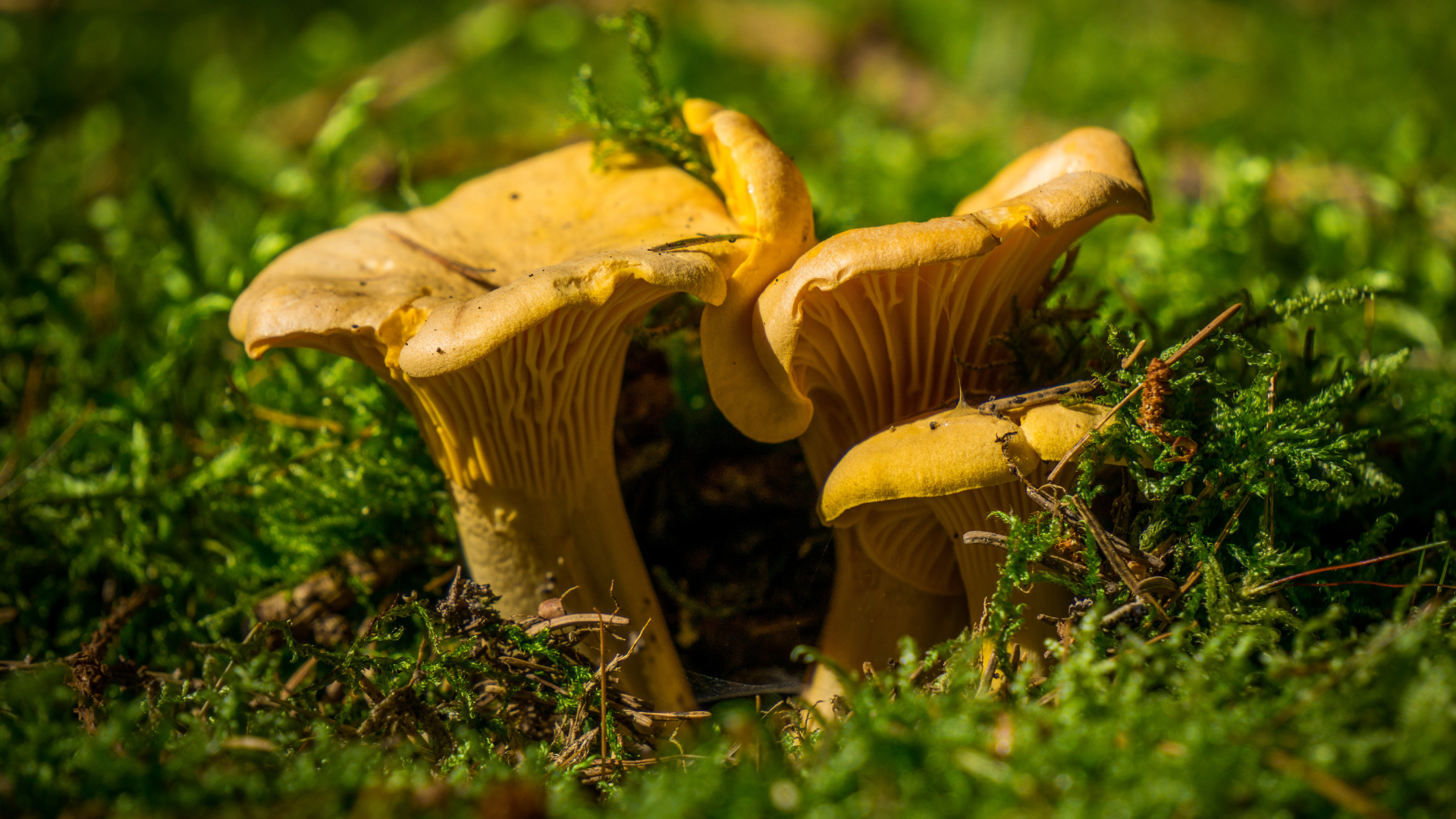
Chanterelles
5. Feasting, foraging, and food
Spring and autumn are particularly good times to experience Ireland through its food. Across the country, some of our favourite restaurants, producers and small food businesses build what they do around what's growing, landing or being gathered nearby, which means the experience changes with the season. There are food festivals, harvest feasts, and wild dining experiences across the country to enjoy, pairing perfectly with the wild and colourful landscapes of these seasons.
As an Island, Ireland’s seafood is particularly special, and Autumn is an excellent time for oysters and shellfish, while spring brings its own coastal produce.
Foraging is a great way to discover Ireland’s landscapes and history and there are foraging experiences all over Ireland to enjoy during these seasons. Wild garlic, seaweed, edible flowers, and herbs can be foraged in the Spring, while berries, hawthorn and mushrooms (including beautiful bright yellow chanterelles) can be gathered in Autumn. Join a foraging walk at the foot of a mountain followed by an outdoor cooking session, and dinner by the fire - just a sample of what you could experience here in the shoulder season.
6. There can be better availability
This one is less romantic, but important. Ireland has a relatively small supply of the kind of places we love: characterful hotels, brilliant guides, intimate experiences and small, independently run properties. In summer, the best ones get booked up quickly. Travelling outside July and August can open up considerably more choice, particularly if you're planning relatively close to departure.
That doesn't mean you can leave everything until the last minute. Some of Ireland's smallest and most special places have limited rooms or operate seasonally. But with fewer travellers competing for the same space, we have more flexibility to build the trip around where you actually want to stay and what you actually want to experience.
Is there a downside?
Of course. The days aren't as long as they are at the height of summer. The weather can be unpredictable. Some seasonal businesses operate reduced hours, particularly towards the edges of the season. But that's exactly why travelling well in Ireland isn't simply about picking a month. It's about designing the right trip for that month.
An October journey shouldn't necessarily look identical to a July one. Perhaps there are fewer long driving days and more fireside pubs. Maybe we build the route around woodland walks, brilliant food, cosy country houses and places that come into their own when the weather turns.
That's where thoughtful planning makes the difference.
So, when should you come?
If you want the longest possible days and the best chance of warmer weather, summer might still be right for you. But if you value space, spontaneity, atmosphere and a deeper sense of place, we'd choose the shoulder seasons every time.
Because sometimes the best way to experience Ireland isn't when everybody else is here. It's when there's a little more room to dig deeper.